Chronological History

Chronological History Of The Lebanese Maronite Mission In South Africa

The history of the Lebanese Community goes back to the late 19th century, when the first immigrants arrived in Johannesburg, the biggest city in the Transvaal. They came from Sebhel, Becharre, Deir el-Ahmar, Hadath el-Joube, Mezyara, Maghdouche and other places. The majority of the Lebanese immigrants were Maronite and were concerned about keeping their Maronite faith alive in a new country, they wrote to the Maronite Patriarch in Lebanon, insisting on a Maronite Priest to come to South Africa to celebrate the Maronite Liturgy and to keep the Lebanese tradition and heritage.
 

1928

Fr. Ashkar resigned his office and returned to Lebanon. The mission was then handed over to the Congregation of the Maronite Lebanese Missionaries, known as the “Kreim”.

1913

The members of the future SA Lebanese Association took action and defeated the Supreme Court in the case known as the ‘Gandur Case’ which would classify the Lebanese.

1910

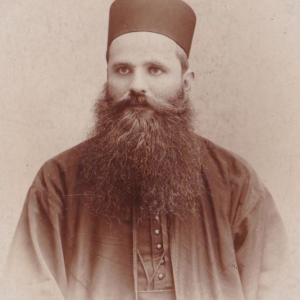
Fr. Joseph Ashkar arrived to build a church and a school for the community. He purchased a small church and a rectory situated at 124 Commissioner Str. Johannesburg and later in early 1920 moved to the corner.

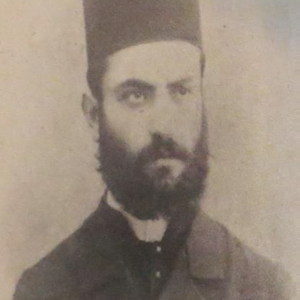
Fr. Emmanuel Fadle (1878-1909),

1905-1906

In this year, Maronite Patriarch Elias Howayek, sent Fr. Emmanuel Fadle to South Africa from Kfar Haoura-Elzawye, North Lebanon. It was a historical year for the entire Maronite community in South Africa.

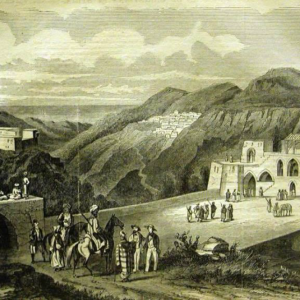
1-Art print of Beiteddine town among the mountains and valleys of the Shouf area, south east of Beirut, circa 1860. Deir el-Qamar, the Emirs’ town, is in the background

1880-1885

It is recorded that during this time the first Lebanese pioneer arrived in the Transvaal. He did not come accidentally, as is foolishly suggested by some, having lost direction on his way to America.

Skin Color
Layout Options
Layout patterns
Boxed layout images
header topbar
header color
header position
x

Enter the amount you wish to donate.